Unveiling The Truth: Is Brandy A Living Organism?
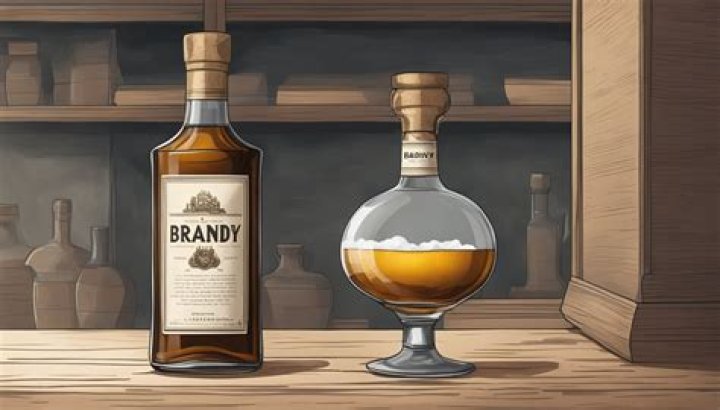
With its rich, amber hue and captivating aroma, brandy has captivated enthusiasts for centuries. But amidst its allure, a lingering question arises: is brandy alive?
The answer lies in the unique nature of brandy itself. Brandy is a distilled spirit, crafted from fermented grapes or fruits. During the distillation process, the volatile compounds responsible for the beverage's distinctive character are separated and concentrated. This process removes impurities and enhances the spirit's intensity.
However, unlike living organisms that possess the ability to reproduce and sustain themselves, brandy lacks these characteristics. It is a non-living substance, a product of human craftsmanship and the transformative power of fermentation and distillation. Yet, brandy possesses a remarkable quality that sets it apart from other spirits: its ability to age and evolve over time.
As brandy ages in oak barrels, it undergoes a complex series of chemical reactions. The wood imparts subtle flavors and aromas, while the spirit's own compounds interact and harmonize. Over years or even decades, brandy develops a depth and complexity that is unmatched by other spirits.
Is Brandy Alive?
Exploring the Essence of Brandy
- Distilled Spirit: Brandy's origin in the distillation process.
- Non-Living Substance: Brandy lacks the characteristics of living organisms.
- Aging and Evolution: Brandy's remarkable ability to mature and develop over time.
- Chemical Reactions: The complex interactions that occur during brandy's aging process.
- Oak Barrel Influence: The role of oak barrels in imparting flavors and aromas to brandy.
- Human Craftsmanship: Brandy's creation as a product of human skill and expertise.
- Historical Significance: Brandy's long and rich history, dating back centuries.
These key aspects intertwine to define the essence of brandy. Its distilled nature distinguishes it from living organisms, yet its ability to age and evolve over timeit a unique vitality. Brandy's aging process, influenced by the interaction of its compounds and the oak barrels in which it rests, is a testament to the delicate balance between science and art. Moreover, brandy's existence is a tribute to the human ingenuity and craftsmanship that have shaped its production for centuries.
Distilled Spirit
The distillation process plays a pivotal role in the creation of brandy and is intricately linked to the question of "is brandy alive?". Distillation involves heating a fermented liquid (usually wine) and collecting the vapors that condense back into a liquid. This process purifies the liquid, removing impurities and concentrating the alcohol content.
- Separation of Impurities: Distillation effectively removes undesirable compounds from the fermented liquid, resulting in a cleaner and smoother spirit.
- Concentration of Alcohol: Distillation increases the alcohol content of the liquid, intensifying its flavor and aroma.
- Chemical Transformation: The heat and pressure of distillation cause chemical reactions that create new compounds, contributing to brandy's unique character.
- Art and Science: Distillation is both an art and a science, requiring careful control of temperature, pressure, and other factors to achieve the desired results.
These facets of the distillation process highlight its significance in the production of brandy and its implications for understanding the nature of brandy itself. By removing impurities, concentrating alcohol, and inducing chemical transformations, distillation shapes the essence of brandy, contributing to its distinct character and flavor profile.
Non-Living Substance
The assertion that brandy is a non-living substance is rooted in its fundamental lack of the defining characteristics of living organisms. Living organisms exhibit essential attributes such as metabolism, growth, reproduction, and the ability to respond to stimuli. Brandy, being a distilled spirit, lacks these vital functions and is therefore classified as a non-living substance.
This distinction is crucial in understanding the nature of brandy and its relationship to the question of "is brandy alive?". Unlike living organisms that possess the capacity for self-sustenance and reproduction, brandy is a product of human craftsmanship and relies on external factors for its existence.
Despite its non-living nature, brandy's unique characteristics and aging process have led some to question its status as a merely inert substance. However, it is essential to recognize that brandy's complexity and evolution over time are a result of carefully controlled chemical reactions and human intervention, rather than inherent biological processes.
Aging and Evolution
The aging process is a defining characteristic of brandy and plays a crucial role in its evolution and complexity. As brandy ages in oak barrels, it undergoes a series of chemical reactions that transform its flavor, aroma, and texture. These reactions are influenced by factors such as the type of wood used for the barrels, the temperature and humidity of the aging environment, and the length of the aging period.
During aging, brandy interacts with the oak barrels, extracting compounds that contribute to its unique character. These compounds include tannins, which provide structure and bitterness; vanillin, which imparts vanilla notes; and other aromatic compounds that add complexity and depth to the spirit. Over time, the brandy's harsh edges soften, and its flavors become more mellow and harmonious.
The aging process is not merely a passive one; it is a carefully controlled process that requires expertise and dedication from the cellar master. The cellar master monitors the brandy's progress regularly, tasting and evaluating it to determine the optimal time to bottle it. This delicate balance between art and science ensures that the brandy reaches its peak maturity and finesse.
Chemical Reactions
The chemical reactions that occur during brandy's aging process play a crucial role in its evolution and complexity, raising questions about its vitality. These reactions, influenced by the interaction of brandy with oak barrels, contribute to the spirit's unique characteristics and raise intriguing implications for understanding its nature.
- Oxidation:
As brandy ages in oak barrels, it interacts with oxygen, leading to oxidation reactions. These reactions contribute to the development of brandy's amber color and impart nutty and dried fruit flavors, adding depth and complexity to the spirit. Oxidation also plays a role in the formation of esters, which contribute to brandy's fruity and floral aromas.
- Evaporation:
During aging, a portion of the brandy evaporates through the pores of the oak barrels. This process, known as the "angel's share," results in a gradual concentration of the brandy's flavors and aromas, enhancing its intensity and richness. Evaporation also contributes to the formation of a unique layer of sediment known as "lees," which can add complexity and texture to the brandy.
- Extraction:
As brandy ages in oak barrels, it extracts compounds from the wood, including tannins, vanillin, and other aromatic compounds. These compounds contribute to brandy's structure, bitterness, and complexity. The type of oak used for the barrels, as well as the age and condition of the wood, can significantly influence the brandy's flavor profile.
- Hydrolysis:
Hydrolysis reactions occur during aging, breaking down complex compounds in the brandy into simpler ones. This process contributes to the mellowing of harsh flavors and the development of smoother, more refined characteristics. Hydrolysis also plays a role in the formation of new compounds that contribute to brandy's unique flavor profile.
These chemical reactions, orchestrated by the interaction of brandy with oak barrels over time, are fundamental to the spirit's aging process. They contribute to brandy's distinctive flavors, aromas, and complexity, and raise intriguing questions about its vitality and essence.
Oak Barrel Influence
The influence of oak barrels on brandy's development is a crucial aspect in understanding the spirit's essence and its connection to the question of "is brandy alive?". Oak barrels play a multifaceted role in shaping brandy's character, contributing to its unique flavors, aromas, and complexity.
- Wood Type and Origin:
The type of oak used for the barrels, such as French, American, or European oak, imparts distinct flavors and aromas to the brandy. French oak, known for its fine grain and tight weave, contributes subtle and elegant notes, while American oak, with its more pronounced grain, imparts bolder and more robust flavors.
- Barrel Age and Toasting Level:
The age and toasting level of the barrels also influence the brandy's character. New barrels impart more intense flavors and aromas, while older barrels provide a more subtle and refined influence. Toasting the barrels caramelizes the wood sugars, adding complexity and depth to the brandy.
- Oxygen Interaction:
The porous nature of oak barrels allows for controlled interaction between the brandy and oxygen. This interaction contributes to the development of brandy's amber color and imparts nutty and dried fruit flavors. The level of oxygen exposure can be managed by the cellar master to achieve the desired balance of flavors.
- Tannin Extraction:
Oak barrels contain tannins, which are natural compounds that contribute to the structure and bitterness of brandy. The extraction of tannins from the wood during aging adds complexity and depth to the spirit. The type of oak and the age of the barrels influence the amount and character of tannins extracted.
The intricate interplay between brandy and oak barrels during the aging process contributes to the spirit's distinctive character and raises questions about its vitality. The oak barrels act as catalysts, facilitating chemical reactions and imparting flavors and aromas that would not be possible otherwise. This dynamic relationship underscores the importance of oak barrels in the production of brandy and deepens our understanding of its essence.
Human Craftsmanship
The question of "is brandy alive" invites us to consider not only its biological status but also its origins and the human involvement in its creation. Brandy, unlike living organisms, is a product of human ingenuity and craftsmanship, a testament to the skills and expertise of those who produce it.
- Distillation Mastery:
The art of distillation, a crucial step in brandy production, requires a deep understanding of chemistry, temperature control, and the properties of different liquids. Distillers carefully monitor the distillation process to achieve the desired alcohol content, flavor profile, and aroma for their brandy.
- Barrel Selection and Aging:
The choice of oak barrels and the aging process are critical in shaping the character of brandy. Cellar masters draw on their knowledge and experience to select barrels that will impart the desired flavors and aromas, and they carefully monitor the aging process to ensure optimal development and complexity.
- Blending and Finishing:
Master blenders possess a refined palate and a deep understanding of different brandies. They skillfully combine spirits from different barrels, vintages, and regions to create harmonious and balanced blends. Finishing techniques, such as adding small amounts of older or special brandies, add further layers of complexity and depth.
- Generational Knowledge and Tradition:
Brandy production often involves generations of knowledge and tradition passed down through families and communities. This accumulated expertise ensures the preservation of traditional methods and techniques, contributing to the unique character and quality of brandy.
The human craftsmanship involved in brandy production extends beyond the technical skills and encompasses a deep passion for the craft. Brandy makers are driven by a desire to create exceptional spirits that can be enjoyed and appreciated by generations to come. Their dedication and artistry are evident in every sip of brandy, adding a human dimension to the question of "is brandy alive." While brandy may not possess the biological characteristics of a living organism, it embodies the creativity, skill, and passion of its human creators.
Historical Significance
The historical significance of brandy is deeply intertwined with the question of "is brandy alive?". Brandy's long and rich history, spanning centuries, provides a context for understanding its evolution, cultural significance, and the human connection to its production and consumption.
Brandy's origins can be traced back to ancient times, with evidence of its production in Mesopotamia and ancient Greece. Over the centuries, brandy became an important beverage in Europe, particularly in countries like France, Spain, and Italy. It was used for medicinal purposes, as a social drink, and as a way to preserve wine. The development of distillation techniques played a crucial role in the evolution of brandy, allowing for the concentration of alcohol and the creation of a more potent and flavorful spirit.
The historical significance of brandy extends beyond its role as a beverage. It has been a source of inspiration for artists, writers, and musicians throughout history. Brandy has also been used in religious ceremonies and as a symbol of celebration and hospitality. Its long and rich history has shaped its cultural significance and contributed to its enduring popularity.
Understanding the historical significance of brandy provides a deeper appreciation for its essence. It highlights the human ingenuity and craftsmanship that have gone into its production over the centuries. Moreover, it underscores brandy's role as a cultural and social phenomenon, connecting people across time and geographies.
Frequently Asked Questions about "Is Brandy Alive?"
This section addresses common questions and misconceptions surrounding the topic of "is brandy alive?", providing clear and informative answers based on scientific and historical knowledge.
Question 1: Does brandy possess the biological characteristics of living organisms?
Answer: No, brandy lacks the defining characteristics of living organisms, such as metabolism, growth, reproduction, and the ability to respond to stimuli. It is a non-living substance, a product of human craftsmanship and distillation.
Question 2: How does the aging process contribute to brandy's complexity?
Answer: During aging in oak barrels, brandy undergoes a series of chemical reactions that transform its flavor, aroma, and texture. These reactions, influenced by factors such as the type of wood, temperature, and humidity, contribute to the development of brandy's unique and refined characteristics.
Question 3: What role do oak barrels play in shaping brandy's character?
Answer: Oak barrels impart distinctive flavors and aromas to brandy through the extraction of compounds like tannins and vanillin. The type of oak, the age of the barrels, and the level of toasting influence the intensity and complexity of these flavors, contributing to brandy's unique profile.
Question 4: How does human craftsmanship influence the quality and character of brandy?
Answer: Brandy production is a highly skilled craft that involves expertise in distillation, barrel selection, and blending. The skill and dedication of distillers and cellar masters play a crucial role in determining the final character, balance, and quality of the brandy.
Question 5: What is the historical significance of brandy?
Answer: Brandy has a long and rich history, dating back to ancient times. It has been used for medicinal purposes, as a social drink, and as a way to preserve wine. Brandy's historical significance extends beyond its role as a beverage, as it has also been a source of inspiration for artists, writers, and musicians, and has played a role in cultural and social traditions.
Question 6: What are the key takeaways regarding the question "is brandy alive"?
Answer: Brandy, as a distilled spirit, lacks the biological characteristics of living organisms. Its complexity and evolution over time are a result of carefully controlled chemical reactions and human intervention, rather than inherent biological processes. Brandy's essence lies in its unique flavor profile, aging process, and the human craftsmanship involved in its production.
In conclusion, the question of "is brandy alive?" invites us to explore the nature of brandy, its production, and its historical significance. Brandy, while not a living organism, embodies the creativity, skill, and passion of its human creators, and holds a special place in our cultural and culinary traditions.
Conclusion
Our exploration of the question "is brandy alive?" has revealed the multifaceted nature of brandy, encompassing its scientific classification, production process, historical significance, and cultural impact. While brandy lacks the biological characteristics of living organisms, its complexity, aging process, and human craftsmanship vitality. Brandy's essence lies in its ability to evolve and mature over time, developing a rich and nuanced flavor profile that captivates enthusiasts and connoisseurs alike.
The question of "is brandy alive?" ultimately invites us to consider the nature of life itself and the human connection to the things we create. Brandy, as a product of human ingenuity and dedication, embodies our ability to transform natural elements into something extraordinary. Its long and rich history, marked by innovation and tradition, is a testament to the enduring power of human creativity and our pursuit of excellence.
Benzema's Pride And Joy: The Life And Legacy Of His Beloved Daughter
Explore The Age Of Maritza Murray: Uncover The Facts
Andrea McCord's Majesty Unlocks Enchanting Beauty
