Unveiling The Story Behind Hisashi Ouchi: The Man And His Photos
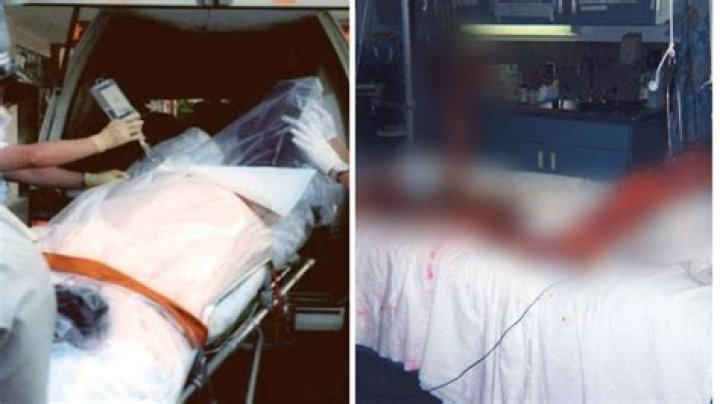
Hisashi Ouchi is a name that resonates with many, particularly those familiar with the tragic events surrounding his life. An ordinary man caught in an extraordinary situation, Ouchi's story is one of resilience, suffering, and the unyielding human spirit. Hisashi's tale transcends mere headlines, diving deep into the heart of nuclear tragedy and its aftermath. As we explore his life, we'll examine not just the horrific events that befell him, but also the human aspect of his existence, captured poignantly in photographs.
In this article, we aim to delve into the life of Hisashi Ouchi, scrutinizing various aspects including his biography, the circumstances surrounding his injuries, and the infamous photos that document his journey. These images are not merely visual artifacts; they tell a profound story of pain, survival, and the quest for humanity amidst chaos. By understanding Hisashi Ouchi through these photos, we can appreciate the broader implications of nuclear safety and human vulnerability.
As we proceed, we'll answer some critical questions about Hisashi Ouchi's life, the incidents that led to his tragic fate, and the legacy he left behind. Join us as we uncover the layers of a story that is both heartbreaking and enlightening, reminding us of the fragility of life and the lessons we can learn from it.
Who Was Hisashi Ouchi?
Hisashi Ouchi was a young Japanese technician who became a victim of one of the most catastrophic nuclear accidents in history. Born in 1968, he worked at the Tokaimura nuclear facility in Japan, where a series of errors and negligence led to a criticality accident on September 30, 1999. This incident resulted in severe radiation exposure, drastically altering his life and the lives of those around him.
What Happened to Hisashi Ouchi?
The criticality accident involved improper handling of uranium, leading to an uncontrolled nuclear chain reaction. Ouchi, along with two other workers, was exposed to lethal doses of radiation, resulting in acute radiation syndrome. Hisashi Ouchi's condition was dire, and he was rushed to the hospital where he underwent extensive medical treatment. Despite the best efforts of medical professionals, his suffering continued for several months.
What Are the Personal Details and Bio Data of Hisashi Ouchi?
| Attribute | Details |
|---|---|
| Name | Hisashi Ouchi |
| Birth Year | 1968 |
| Occupation | Nuclear Technician |
| Workplace | Tokaimura Nuclear Facility |
| Accident Date | September 30, 1999 |
| Death Date | December 21, 1999 |
What Do Hisashi Ouchi's Photos Reveal?
The photographs of Hisashi Ouchi’s body taken during and after his treatment serve as a haunting reminder of the effects of radiation exposure. These images, while difficult to view, illustrate the extent of his suffering and the severe consequences of the accident. They have become a poignant symbol of the dangers associated with nuclear energy and the human cost of industrial negligence.
Are There Ethical Considerations Regarding Hisashi Ouchi's Photos?
Displaying and discussing Hisashi Ouchi's photos brings forth significant ethical questions. On one hand, these images serve an educational purpose, highlighting the dire consequences of safety violations in nuclear facilities. On the other hand, they also invade the privacy of Ouchi and his family, showcasing his suffering in a way that may not be respectful of his dignity. Balancing education and respect for the individual is a challenge faced by many in the realm of medical and historical documentation.
How Did Hisashi Ouchi's Accident Impact Nuclear Safety Regulations?
The tragedy of Hisashi Ouchi prompted widespread scrutiny of nuclear safety protocols in Japan and around the world. Following the accident, regulatory bodies reviewed and revised safety measures to prevent similar incidents. The incident highlighted the need for stringent oversight, proper training for nuclear facility workers, and the implementation of fail-safe mechanisms to protect against human error.
What Legacy Did Hisashi Ouchi Leave Behind?
Hisashi Ouchi's story is not just about his suffering; it is also about the lessons learned from his tragic accident. He became a symbol of the need for accountability in industries that handle hazardous materials. Advocacy for improved safety standards and transparency in nuclear operations has been a significant outcome of his legacy. His life and death serve as reminders of the importance of human rights and dignity in the face of industrial progress.
How Can We Remember Hisashi Ouchi?
Remembering Hisashi Ouchi goes beyond his tragic fate; it involves honoring his memory through advocacy and education. Establishing memorials, engaging in discussions about nuclear safety, and supporting policies that prioritize human welfare over industrial profit are ways to honor his legacy. Sharing his story can also help raise awareness about the risks associated with nuclear energy and the importance of stringent safety measures.
What Can We Learn from Hisashi Ouchi's Experience?
Hisashi Ouchi's experience teaches us crucial lessons about safety, responsibility, and the fragility of life. It reminds us that behind every statistic and headline, there are real people who suffer as a result of negligence. This narrative compels us to advocate for safer practices in industries that pose risks to human life, ensuring that such tragedies do not occur again.
In conclusion, the story of Hisashi Ouchi and the associated photos of his body serve as important reminders of the consequences of industrial negligence. They prompt us to reflect on the ethical implications of our actions and the need for accountability in all sectors. By remembering Hisashi Ouchi, we honor not only his memory but also the countless individuals who have suffered in similar situations.
Anthony Geary 2024: The Legacy Continues
Explore The World Of Downloadhub.network: Your Ultimate Download Destination
Unraveling The Life Of Seven Sirius Benjamin
