Unveiling The Reality: Hisashi Ouchi Photos Of Skin
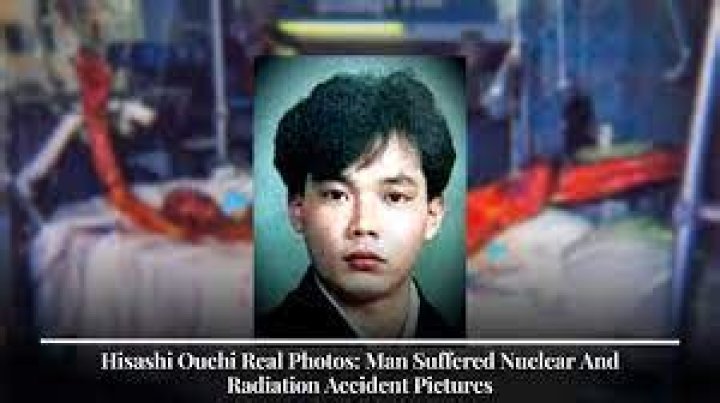
Hisashi Ouchi, a name that resonates with tragedy and resilience, is often remembered not only for his unfortunate circumstances but also for the haunting images that chronicle his suffering. The photos of his skin serve as a grim reminder of the catastrophic events he endured, raising awareness about the dangers of radiation exposure and the human cost of technological advancement. These images provide a window into the physical toll that such exposure can take on the body, invoking a mixture of horror and compassion. As we delve deeper into the story behind these photos, we explore the life of Hisashi Ouchi, the events leading up to the incident, and the lasting impact it has had on society.
The images of Hisashi Ouchi's skin are not just mere photographs; they are poignant symbols of human suffering. They tell a story of a man who faced insurmountable odds and the critical need for safety in the nuclear industry. Through this narrative, we aim to educate and inform about the realities of radiation sickness while honoring the memory of Ouchi and the lessons learned from his tragic fate.
As we navigate through this exploration of Hisashi Ouchi's life and the haunting photos of his skin, it becomes essential to understand the broader implications of radiation exposure and the importance of stringent safety measures. The legacy of Ouchi continues to spark discussions about health, safety, and the ethical considerations in the field of nuclear energy.
What Happened to Hisashi Ouchi?
Hisashi Ouchi was a Japanese nuclear worker who became a victim of one of the most severe radiation accidents in history. The incident occurred at the Tokaimura nuclear facility in 1999 when a criticality accident exposed him and two other workers to lethal doses of radiation. The sequence of events that led to Ouchi's suffering is a crucial part of understanding the implications of safety in nuclear operations.
Who Was Hisashi Ouchi? A Brief Biography
Hisashi Ouchi was born on March 1, 1964, in Japan. He was an employee at the Tokaimura nuclear fuel processing plant when the accident occurred. Ouchi's life was tragically cut short due to the consequences of the criticality accident, making him a symbol of the risks associated with nuclear energy.
| Personal Details | Bio Data |
|---|---|
| Name | Hisashi Ouchi |
| Date of Birth | March 1, 1964 |
| Occupation | Nuclear Worker |
| Incident Date | September 30, 1999 |
| Death | December 21, 1999 |
What Are the Consequences of Radiation Exposure?
The consequences of radiation exposure can be devastating, as evidenced by the case of Hisashi Ouchi. His exposure led to acute radiation syndrome (ARS), which has a range of symptoms and health effects. These include:
- Nausea and vomiting
- Hair loss
- Skin burns and lesions
- Increased risk of infections
- Long-term effects such as cancer
How Did the Accident Occur?
The accident at the Tokaimura plant was primarily due to human error and inadequate safety protocols. Workers mistakenly added an excessive amount of uranium solution to a precipitation tank, leading to a criticality accident. This catastrophic event resulted in a chain reaction that exposed Ouchi and his colleagues to high levels of radiation, highlighting the need for improved safety measures in nuclear facilities.
What Do Hisashi Ouchi's Photos of Skin Reveal?
The photos of Hisashi Ouchi's skin, which surfaced during the aftermath of the accident, depict severe radiation burns and the physical toll of ARS. These images serve not only as documentation of his suffering but also as educational tools that demonstrate the dangers of radiation exposure. They compel us to confront the harsh realities faced by Ouchi and others affected by similar incidents.
What Is the Legacy of Hisashi Ouchi?
The legacy of Hisashi Ouchi extends beyond his tragic fate. His case has prompted discussions about nuclear safety regulations and the ethical responsibilities of companies operating within the nuclear industry. The incident led to significant changes in safety protocols and a renewed focus on protecting workers from radiation exposure.
How Can We Learn from Hisashi Ouchi's Tragedy?
Learning from the tragedy of Hisashi Ouchi involves a multifaceted approach to understanding and improving safety measures within the nuclear industry. Some steps that can be taken include:
- **Enhanced Training**: Ensuring that all workers receive comprehensive training on safety protocols and emergency procedures. - **Regular Safety Audits**: Conducting frequent assessments of facilities to identify and rectify potential hazards. - **Public Awareness Campaigns**: Educating the public about the risks associated with nuclear energy and the importance of stringent safety measures.Conclusion: Remembering Hisashi Ouchi
Hisashi Ouchi's story is a tragic reminder of the human cost associated with nuclear energy. The photos of his skin serve as poignant symbols of the dangers of radiation exposure and the importance of safety in the industry. By remembering Ouchi and advocating for better safety measures, we can honor his memory and work towards preventing similar tragedies in the future.
Is Kurt Russell Dead? Exploring The Life Of A Hollywood Legend
Discovering The Journey Of Katie And Jim Plum
Exploring The Lives Of Filippo Tamara Kalinic: A Journey Of Passion And Creativity
