Unveiling The Early Years Of Charles Manson
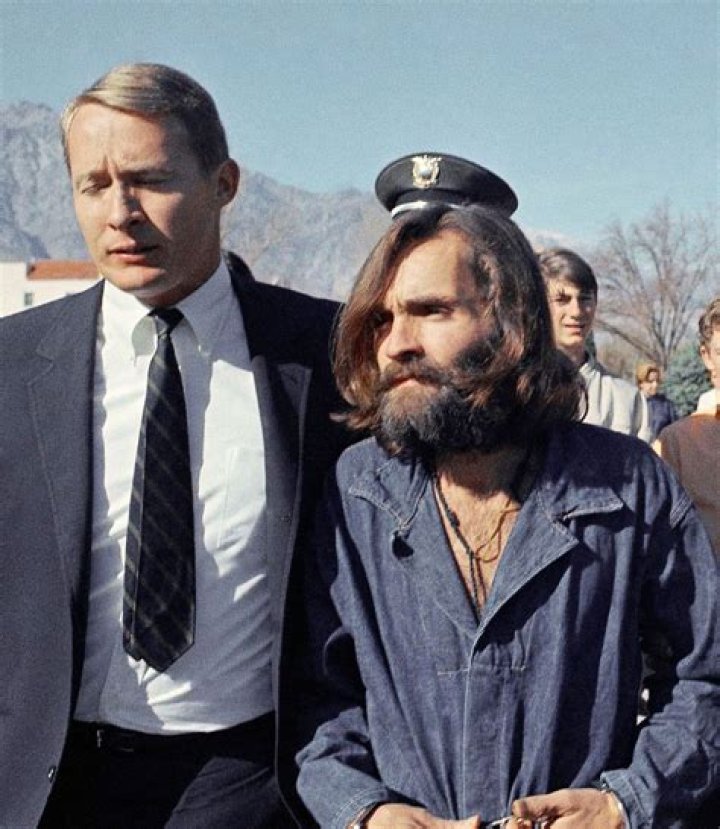
Charles Manson, a name that resonates with infamy and fascination, has left an indelible mark on American history. To understand the man who orchestrated one of the most notorious cults in the United States, we must delve into the formative years of Charles Manson young. His childhood and adolescent experiences played a pivotal role in shaping his later actions and beliefs. Exploring this aspect of his life provides valuable insights into the complexities of his character, the influences that molded him, and the events that ultimately led to his violent criminal legacy.
As we embark on this journey through the early years of Manson's life, it becomes evident that his upbringing was fraught with challenges. Born into a life of instability, Manson's young years were characterized by a series of turbulent family dynamics and social struggles. This exploration seeks to unravel the threads of his youth, shedding light on how these experiences contributed to his notorious reputation in adulthood.
In examining the youth of Charles Manson, we will also touch upon the societal factors and cultural shifts that were prevalent during his formative years. Understanding the context in which he grew up allows us to grasp the broader implications of his actions and the societal response to them. Join us as we navigate the enigmatic early life of Charles Manson and seek to answer the question: what made him who he ultimately became?
What is the Biography of Charles Manson?
Charles Manson was born on November 12, 1934, in Cincinnati, Ohio. He had a tumultuous childhood marked by instability, neglect, and a series of foster homes. Manson's early life was characterized by his mother's struggles with addiction and his father's absence, shaping his worldview and behavior.
| Personal Details | Bio Data |
|---|---|
| Full Name | Charles Milles Manson |
| Date of Birth | November 12, 1934 |
| Birthplace | Cincinnati, Ohio, USA |
| Parents | Caroline Manson (mother), Unknown (father) |
| Occupation | Criminal, Cult Leader |
| Notable for | Leader of the Manson Family cult |
| Date of Death | November 19, 2017 |
How Did Charles Manson's Childhood Affect His Later Life?
Charles Manson's childhood was marked by a lack of stability and nurturing, leading to significant psychological ramifications. The absence of a father figure and the tumultuous relationship with his mother fostered feelings of abandonment and resentment. These early experiences contributed to a deep-seated need for control and manipulation, qualities that would later manifest in his leadership of the Manson Family cult.
Additionally, Manson's encounters with the juvenile justice system during his teenage years further shaped his identity. He spent much of his youth in and out of reform schools, where he was exposed to a criminal subculture that would influence his behavior and worldview. The combination of these factors created a volatile environment that ultimately laid the groundwork for his later actions.
What Influences Shaped Charles Manson as a Young Man?
As Charles Manson entered adolescence, he was heavily influenced by the counterculture movements of the 1960s. The emergence of the hippie movement, along with the exploration of alternative lifestyles and communal living, resonated with him. Manson sought to exploit these societal shifts, presenting himself as a charismatic leader who could offer a sense of belonging to those disillusioned by mainstream society.
Moreover, Manson's exposure to various forms of music, particularly the Beatles, played a significant role in shaping his ideology. He believed he could interpret their lyrics as prophetic messages, further solidifying his self-perception as a messianic figure. These influences combined to create a potent cocktail of charisma and delusion, drawing in vulnerable individuals to his cause and ultimately leading to the creation of the Manson Family.
What Were Charles Manson's Relationships Like as a Young Man?
Charles Manson's relationships during his youth were often tumultuous and fraught with conflict. His inability to form healthy attachments can be traced back to his childhood experiences. Manson's relationships were characterized by manipulation and control, reflecting his deep-seated insecurities and need for dominance.
As a young man, Manson had several romantic relationships that were unstable and often abusive. His interactions with women were particularly troubling; he viewed them as possessions rather than partners. This mindset would later play a crucial role in the formation of the Manson Family, where he exercised total control over his followers.
How Did the 1960s Counterculture Impact Charles Manson's Ideology?
The 1960s counterculture movement had a profound influence on Charles Manson's ideology and the formation of his cult. As America experienced significant social upheaval, Manson sought to capitalize on the disillusionment of young people. He presented himself as a prophet of a new way of life, promoting ideas of free love, communal living, and spiritual enlightenment.
Manson's ability to tap into the zeitgeist of the era allowed him to attract a diverse group of followers, many of whom were seeking purpose and acceptance. He manipulated their fears and desires, weaving a narrative that appealed to their longing for connection and understanding. This manipulation culminated in a dangerous belief system that justified violence as a means to achieve his apocalyptic vision.
What Were the Key Events in Charles Manson's Young Life?
Several key events in Charles Manson's young life contributed to his transformation into the notorious figure he became. Some of these pivotal moments include:
- His early childhood experiences of neglect and abandonment.
- Time spent in reform schools and exposure to criminal elements.
- Influence of the burgeoning counterculture movement in the 1960s.
- Formation of the Manson Family and the subsequent violent acts that defined his legacy.
What Legacy Did Charles Manson Leave Behind?
The legacy of Charles Manson is one of fear, manipulation, and violence. His life serves as a cautionary tale about the power of charismatic leadership and the susceptibility of individuals to extremist ideologies. Manson's actions not only led to the loss of innocent lives but also sparked a nationwide conversation about the nature of cults and the psychological dynamics that drive individuals to join such groups.
As we reflect on the early years of Charles Manson, we gain a deeper understanding of the man behind the infamous name. His youth was marked by trauma, instability, and the search for identity, ultimately culminating in a legacy that continues to evoke both horror and intrigue. The story of Charles Manson young is a reminder of the complexities of human behavior and the profound impact of our formative years.
Unraveling The Intrigue Of Hells Angels Turkey
Unveiling The Life And Influence Of Helena Vestergaard
Cybill Shepherd's Remarkable Journey In The World Of Psych
Kathleen Maddox The Teen Runaway Who Gave Birth To Charles Manson
Charles Manson Facts The Secret History Of The Notorious Killer
How Charles Manson Nearly Made It in Hollywood The New York Times
