Unlocking The Secrets Of The Barometer In Your Phone
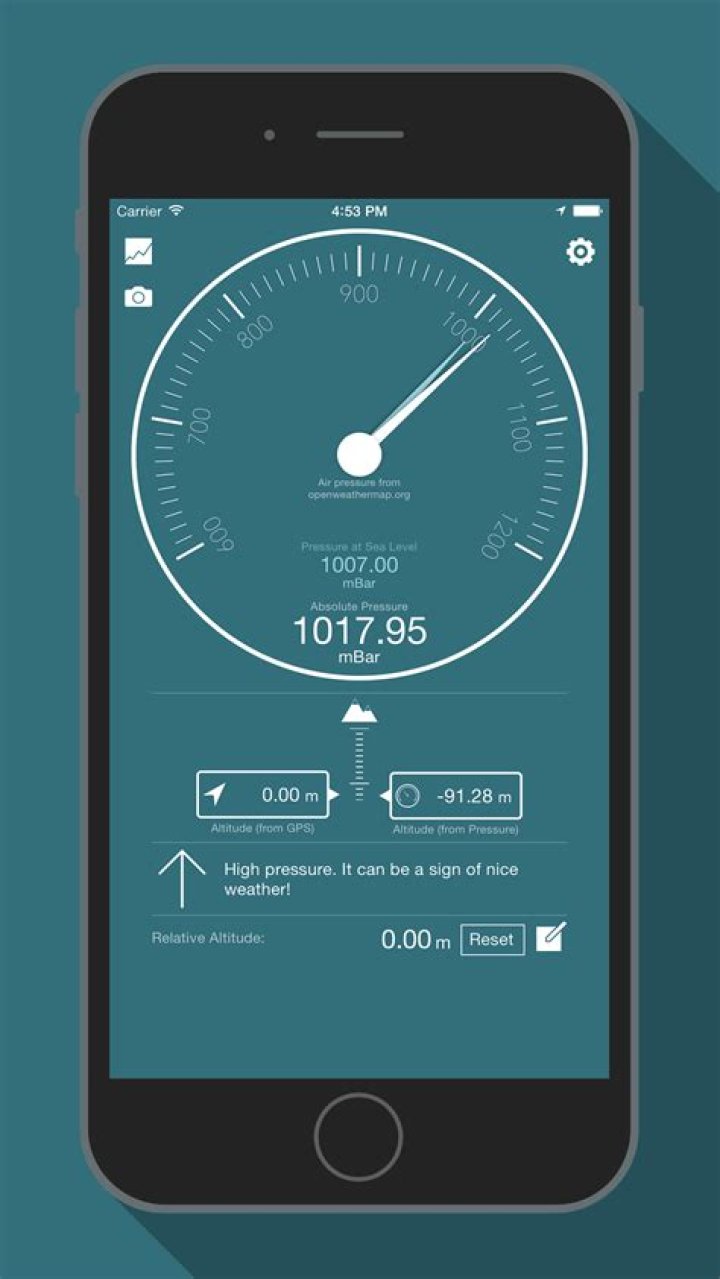
Have you ever wondered how your smartphone can predict the weather or help you navigate through rugged terrains? The answer lies in a tiny yet powerful sensor called the barometer. This fascinating device, commonly found in modern smartphones, plays a pivotal role in measuring atmospheric pressure, allowing your phone to provide you with valuable information about your environment. As technology continues to evolve, the incorporation of a barometer in phone models has become increasingly prevalent. This feature not only enhances the functionality of smartphones but also enriches the user experience by delivering real-time data that can assist in various situations.
Understanding the significance of the barometer in phone technology can open up new possibilities for users. From hiking enthusiasts wanting to track altitude changes to weather aficionados seeking accurate forecasts, the barometer serves multiple purposes that can greatly benefit everyday life. In this article, we will delve into the workings of this remarkable sensor, explore its applications, and answer some of the most common questions surrounding its usage in smartphones.
Join us as we embark on a journey to discover how the barometer in phone technology is reshaping the way we interact with our devices and the world around us. Whether you're a tech-savvy individual or simply curious about your smartphone's capabilities, this exploration will provide you with a deeper understanding of how this small but mighty sensor enhances your mobile experience.
What is a Barometer and How Does it Work?
A barometer is an instrument that measures atmospheric pressure, which is crucial for predicting weather changes. In smartphones, the barometer is typically a digital sensor that detects changes in air pressure and provides this information to the device's software. Understanding how it works can help users appreciate its significance:
- Pressure Measurement: The barometer measures the air pressure surrounding it, which can fluctuate based on altitude and weather conditions.
- Altimeter Functionality: By measuring changes in atmospheric pressure, the barometer can estimate the altitude of the device, making it useful for navigation and outdoor activities.
- Weather Predictions: The collected data can be used to forecast weather changes, helping users prepare for upcoming conditions.
Why is a Barometer Important in Smartphones?
The integration of a barometer in phone technology is essential for several reasons:
- Enhanced Navigation: The barometer can improve GPS accuracy, especially in hilly or mountainous areas, by providing altitude information.
- Weather Forecasting: Users can receive more accurate weather updates based on atmospheric pressure changes.
- Fitness Tracking: Fitness apps can utilize the barometer to track elevation changes during activities like hiking, running, or cycling.
How Can Users Benefit from the Barometer in Phone Features?
The barometer in phones can significantly enhance the user experience in various ways:
- Altitude Tracking: Outdoor enthusiasts can monitor their elevation while hiking or climbing.
- Weather Alerts: Users can receive notifications about sudden weather changes, such as storms or drops in temperature.
- Fitness Insights: Runners and cyclists can analyze their performance based on elevation changes.
Can All Smartphones Access Barometer Features?
Not all smartphones are equipped with a barometer. Typically, higher-end models and flagship devices incorporate this feature. Users interested in utilizing barometer functionalities should check their device specifications before relying on this feature for navigation or weather predictions.
Which Smartphones Have a Barometer Sensor?
Several smartphone brands have integrated barometer sensors into their devices. Here are some notable examples:
- Apple: iPhone 6 and later models.
- Samsung: Galaxy S5 and newer models.
- Google: Pixel series.
- OnePlus: OnePlus 6 and later devices.
Are There Apps That Utilize the Barometer in Phone Technology?
Yes, numerous applications can take advantage of the barometer's capabilities:
- Weather Apps: Provide forecasts and alerts based on barometric pressure readings.
- Fitness Apps: Track elevation and performance metrics during outdoor activities.
- Navigation Apps: Improve GPS accuracy with altitude data.
What Future Developments Can We Expect for Barometer Technology in Smartphones?
The future of barometer technology in smartphones looks promising. As manufacturers continue to innovate, we can expect enhanced accuracy, integration with other sensors, and the development of new applications that utilize barometric data in creative ways. This evolution will likely lead to more personalized user experiences and improved functionalities, making smartphones even more indispensable tools in our daily lives.
Conclusion: Embracing the Barometer in Phone Technology
The barometer in phone technology is an invaluable feature that enriches the functionality of modern smartphones. By measuring atmospheric pressure, it enables users to access real-time data that can assist in navigation, weather forecasting, and fitness tracking. As this technology continues to evolve, we can anticipate even more innovative applications and features that will further enhance our smartphone experience.
Understanding the role of the barometer in phone technology not only helps users appreciate their devices better but also empowers them to utilize these features to their advantage. So, the next time you check the weather on your smartphone or track your elevation during a hike, remember the tiny barometer working diligently behind the scenes to provide you with the information you need.
$100 Mango: The Tale Of A Luxurious Fruit
Discover The Allure Of TraxNYC Jewelry
Exploring The Enigma Of Magnda: A Journey Through Time And Culture
