Understanding The Trust Format: A Comprehensive Guide
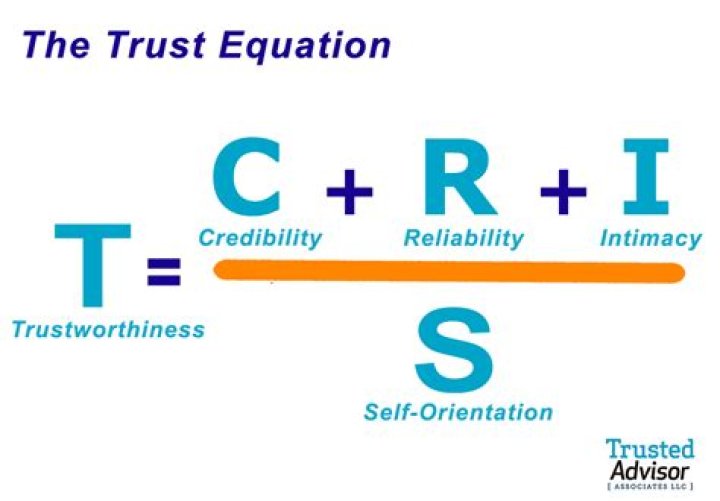
Trust is an essential element of any successful relationship, whether personal or professional. The "trust format" serves as a guiding framework to help individuals and organizations build and maintain trust in various interactions. It encompasses the principles, strategies, and structures that foster trustworthiness, reliability, and confidence among parties involved. In this article, we will delve into the intricacies of the trust format, exploring its significance, components, and practical applications in everyday life.
As we navigate through a world increasingly driven by technology and communication, the need for trust becomes even more paramount. The trust format not only aids in establishing a solid foundation for collaboration but also mitigates risks associated with misunderstandings and miscommunications. By understanding the trust format, one can foster an environment where trust thrives, leading to more fruitful relationships and successful outcomes.
Throughout this article, we will answer critical questions surrounding the trust format, such as what it is, why it matters, and how to implement its principles effectively. Whether you are a business leader, a team manager, or an individual looking to enhance personal relationships, mastering the trust format can be a game-changer in achieving your goals.
What is the Trust Format?
The trust format refers to a structured approach to building and maintaining trust within relationships. It can be applied in various contexts, including personal relationships, workplace dynamics, and customer interactions. The trust format emphasizes transparency, reliability, and open communication, which are essential components for fostering trust among individuals and groups.
Why is the Trust Format Important?
The significance of the trust format cannot be overstated. Trust serves as the backbone of all functional relationships, whether in business or personal life. Here are a few reasons why the trust format is critical:
- Enhances Collaboration: When trust is established, individuals are more likely to collaborate effectively, share ideas, and work towards common goals.
- Reduces Conflict: A solid trust format minimizes misunderstandings and potential conflicts, as parties are more likely to communicate openly and honestly.
- Increases Loyalty: Trust encourages loyalty among employees, customers, and partners, contributing to long-term success and stability.
- Encourages Risk-Taking: Trust allows individuals to take calculated risks, knowing that their partners will support them, leading to innovation and growth.
How Can I Implement the Trust Format?
Implementing the trust format requires intentional efforts to foster an environment conducive to trust-building. Here are some practical steps to consider:
- Be Transparent: Share information openly and encourage feedback to create a culture of honesty.
- Practice Reliability: Follow through on commitments and be consistent in your actions.
- Communicate Effectively: Foster open lines of communication, encouraging discussions and active listening.
- Show Empathy: Understand the perspectives of others and validate their feelings to build rapport.
What are the Key Components of the Trust Format?
The trust format comprises several critical components that contribute to the overall trustworthiness of an individual or organization. These components include:
- Integrity: Adhering to moral and ethical principles, being honest and fair.
- Competence: Demonstrating the necessary skills and knowledge to fulfill responsibilities.
- Consistency: Maintaining a steady and predictable approach in actions and communication.
- Accountability: Taking responsibility for one's actions and their consequences.
How Does the Trust Format Apply in Business?
In the realm of business, the trust format is crucial for establishing strong relationships with clients, partners, and employees. Companies that prioritize trust are more likely to experience higher employee engagement, customer loyalty, and overall success. Here are some ways the trust format can be applied in a business context:
- Building Client Relationships: Transparency and reliability in communication can enhance client trust, leading to repeat business.
- Team Dynamics: A trust-focused culture fosters collaboration among team members, improving productivity and morale.
- Leadership: Leaders who embody the trust format inspire confidence in their teams, promoting a positive work environment.
Can the Trust Format Be Applied in Personal Relationships?
Absolutely! The trust format is equally applicable in personal relationships. Building trust with family, friends, and romantic partners can lead to more meaningful connections and deeper understanding. Here are some tips for applying the trust format in personal relationships:
- Be Honest: Share your thoughts and feelings openly with your loved ones.
- Keep Promises: Follow through on commitments to demonstrate reliability.
- Listen Actively: Show genuine interest in the perspectives of others and validate their emotions.
What Challenges Might Arise in Maintaining the Trust Format?
While the trust format is a valuable framework, it is not without challenges. Some common obstacles to maintaining trust include:
- Miscommunication: Misunderstandings can lead to a breakdown of trust, emphasizing the need for clear communication.
- Inconsistency: Failing to be consistent in actions can create doubt and uncertainty among partners.
- External Pressures: External factors, such as stress or competition, can impact trust levels within relationships.
How Can We Overcome Trust Challenges?
Overcoming challenges associated with the trust format requires ongoing effort and commitment. Here are some strategies to consider:
- Encourage Open Dialogue: Create a safe space for discussions to address any concerns or misunderstandings.
- Rebuild Trust: If trust is broken, take proactive steps to repair it through honesty and accountability.
- Stay Committed: Continuously prioritize trust-building efforts to prevent erosion over time.
Conclusion: Embracing the Trust Format for Success
The trust format is a powerful tool that can significantly enhance relationships, both personally and professionally. By understanding its principles and actively implementing its components, individuals and organizations can cultivate a culture of trust that leads to greater collaboration, reduced conflict, and increased loyalty. As we navigate an increasingly complex world, the trust format serves as a guiding light, reminding us that trust is not just a concept but a vital ingredient for success in every aspect of life.
The Ultimate Guide To TikTok Live Fest: An Unforgettable Experience
Unveiling The Secrets: Signs He’s Falling For You But Hiding It
Megan Thee Stallion: A Celebration Of Her Sexy Persona
