Ultimate Guide: Nigeria Army Ranks From Lowest To Highest
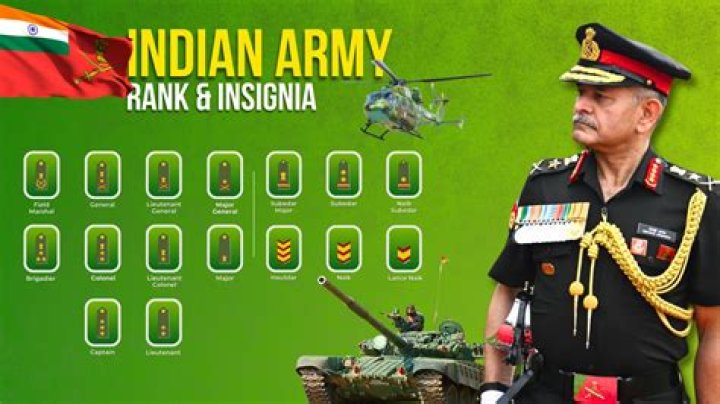
What are the ranks of the Nigerian Army?
The Nigerian Army has a hierarchical ranking system that determines the level of authority and responsibility of its personnel. The ranks range from Private to General, with each rank having its own specific duties and privileges.
The Nigerian Army ranks are important because they provide a clear structure for the organization and functioning of the army. They ensure that there is a clear chain of command and that all personnel know their place within the organization.
The Nigerian Army has a long and proud history, and its ranks have evolved over time to reflect the changing needs of the country. The current ranking system is based on the British military ranking system, which was adopted when Nigeria gained independence in 1960.
The main article topics will discuss the different ranks of the Nigerian Army, their duties and responsibilities, and the history of the ranking system.
Nigerian Army Ranks
The Nigerian Army ranks are a hierarchical system that determines the level of authority and responsibility of its personnel. The ranks range from Private to General, with each rank having its own specific duties and privileges.
- Structure: The Nigerian Army ranks are based on the British military ranking system, which was adopted when Nigeria gained independence in 1960.
- Importance: The Nigerian Army ranks are important because they provide a clear structure for the organization and functioning of the army.
- History: The Nigerian Army has a long and proud history, and its ranks have evolved over time to reflect the changing needs of the country.
- Duties and Responsibilities: Each rank in the Nigerian Army has its own specific duties and responsibilities.
- Chain of Command: The Nigerian Army ranks ensure that there is a clear chain of command and that all personnel know their place within the organization.
The Nigerian Army ranks are an essential part of the army's organization and functioning. They provide a clear structure for the army and ensure that all personnel know their place within the organization. The ranks also reflect the army's long and proud history.
Structure
The Nigerian Army ranks are based on the British military ranking system, which was adopted when Nigeria gained independence in 1960. This is because Nigeria was a British colony for many years, and the British military system was well-established in the country. The Nigerian Army ranks are very similar to the British ranks, with some minor differences.
- Structure
The Nigerian Army ranks are structured in a hierarchical manner, with each rank having its own specific duties and responsibilities. The ranks are divided into three main categories: officers, non-commissioned officers (NCOs), and enlisted personnel. - Components
The Nigerian Army ranks consist of a variety of different components, including:- Insignia: Each rank has its own unique insignia, which is worn on the uniform.
- Pay grade: Each rank is associated with a specific pay grade.
- Authority: Each rank has a specific level of authority and responsibility.
- Implications
The Nigerian Army ranks have a number of implications, including:- Chain of command: The ranks help to establish a clear chain of command within the army.
- Career progression: The ranks provide a clear path for career progression within the army.
- Discipline: The ranks help to maintain discipline within the army.
The Nigerian Army ranks are an essential part of the army's structure and organization. They provide a clear chain of command and help to maintain discipline within the army.
Importance
The Nigerian Army ranks are important because they provide a clear structure for the organization and functioning of the army. They establish a chain of command, define roles and responsibilities, and facilitate communication and coordination within the army.
- Chain of Command
The Nigerian Army ranks establish a clear chain of command, which is essential for the effective functioning of the army. The chain of command defines who reports to whom, and ensures that orders are passed down and executed in a timely and efficient manner.
- Roles and Responsibilities
The Nigerian Army ranks define the roles and responsibilities of each member of the army. This ensures that everyone knows what is expected of them, and that tasks are carried out effectively.
- Communication and Coordination
The Nigerian Army ranks facilitate communication and coordination within the army. The ranks help to ensure that information is passed up and down the chain of command in a clear and timely manner, and that all members of the army are aware of their roles and responsibilities.
In conclusion, the Nigerian Army ranks are essential for the effective organization and functioning of the army. They establish a chain of command, define roles and responsibilities, and facilitate communication and coordination within the army.
History
The Nigerian Army has a long and proud history, dating back to the 19th century. The army has played a major role in the history of Nigeria, fighting in both world wars and the Nigerian Civil War. The army has also been involved in peacekeeping operations around the world.
- Pre-Colonial Era
The origins of the Nigerian Army can be traced back to the pre-colonial era, when various ethnic groups had their own military forces. These forces were used to defend their territories and to raid their neighbors.
- Colonial Era
In the late 19th century, Nigeria became a British colony. The British established a colonial army, which was used to suppress local resistance and to maintain order. The colonial army was made up of both British and Nigerian soldiers.
- Post-Independence Era
Nigeria gained independence from Britain in 1960. The Nigerian Army was then reorganized and expanded. The army played a major role in the Nigerian Civil War, which lasted from 1967 to 1970.
- Modern Era
Since the end of the Nigerian Civil War, the Nigerian Army has been involved in a number of peacekeeping operations around the world. The army has also been involved in combating terrorism and other security threats.
The evolution of the Nigerian Army ranks reflects the changing needs of the country. The ranks have been adapted to meet the challenges of the modern era, and they continue to play an important role in the defense of Nigeria.
Duties and Responsibilities
The duties and responsibilities of each rank in the Nigerian Army are clearly defined and play a vital role in the overall functioning of the army.
- Leadership and Management
Officers in the Nigerian Army are responsible for leading and managing their troops. They are responsible for planning and executing military operations, as well as for the welfare and discipline of their soldiers.
- Combat Operations
Soldiers in the Nigerian Army are responsible for carrying out combat operations. They are trained in a variety of combat skills, including weapons handling, tactics, and survival.
- Support Services
The Nigerian Army also has a number of support services, such as medical, logistics, and engineering. These services are essential for the smooth functioning of the army.
- Administration
The Nigerian Army also has a number of administrative functions, such as recruiting, training, and finance. These functions are essential for the day-to-day operation of the army.
The duties and responsibilities of each rank in the Nigerian Army are essential for the effective functioning of the army. They ensure that the army is able to carry out its mission of defending Nigeria and its interests.
Chain of Command
The Nigerian Army ranks are essential for maintaining a clear chain of command within the army. This chain of command ensures that orders are passed down and executed in a timely and efficient manner, and that all personnel know their place within the organization.
- Structure
The Nigerian Army ranks are structured in a hierarchical manner, with each rank having its own specific duties and responsibilities. This structure ensures that there is a clear line of authority and responsibility within the army.
- Communication
The Nigerian Army ranks facilitate communication within the army. The ranks ensure that information is passed up and down the chain of command in a clear and timely manner.
- Discipline
The Nigerian Army ranks help to maintain discipline within the army. The ranks ensure that all personnel know their place within the organization and that they are held accountable for their actions.
- Efficiency
The Nigerian Army ranks help to improve the efficiency of the army. The ranks ensure that tasks are carried out in a timely and efficient manner.
In conclusion, the Nigerian Army ranks are essential for maintaining a clear chain of command within the army. This chain of command ensures that orders are passed down and executed in a timely and efficient manner, and that all personnel know their place within the organization.
Frequently Asked Questions on Nigerian Army Ranks
This section addresses common questions and misconceptions about the Nigerian Army ranks.
Question 1: What is the structure of the Nigerian Army ranks?
The Nigerian Army ranks are structured in a hierarchical manner, with each rank having its own specific duties and responsibilities. The ranks are divided into three main categories: officers, non-commissioned officers (NCOs), and enlisted personnel.
Question 2: What are the different components of the Nigerian Army ranks?
The Nigerian Army ranks consist of a variety of different components, including insignia, pay grade, and authority.
Question 3: What is the importance of the Nigerian Army ranks?
The Nigerian Army ranks are important because they provide a clear structure for the organization and functioning of the army. They establish a chain of command, define roles and responsibilities, and facilitate communication and coordination within the army.
Question 4: What is the history of the Nigerian Army ranks?
The Nigerian Army ranks have a long and proud history, dating back to the pre-colonial era. The ranks have evolved over time to reflect the changing needs of the country.
Question 5: What are the duties and responsibilities of each rank in the Nigerian Army?
Each rank in the Nigerian Army has its own specific duties and responsibilities. Officers are responsible for leading and managing their troops, while soldiers are responsible for carrying out combat operations. The army also has a number of support services, such as medical, logistics, and engineering.
Question 6: How do the Nigerian Army ranks ensure a clear chain of command?
The Nigerian Army ranks ensure a clear chain of command through their hierarchical structure and well-defined lines of authority and responsibility. This ensures that orders are passed down and executed in a timely and efficient manner.
Summary: The Nigerian Army ranks are an essential part of the army's structure, organization, and functioning. They provide a clear chain of command, define roles and responsibilities, and facilitate communication and coordination within the army.
Transition: The next section will discuss the different ranks of the Nigerian Army, their duties and responsibilities, and the history of the ranking system.
Conclusion on Nigerian Army Ranks
The Nigerian Army ranks are a vital part of the army's structure and organization. They provide a clear chain of command, define roles and responsibilities, and facilitate communication and coordination within the army. The ranks have evolved over time to reflect the changing needs of the country, and they continue to play an important role in the defense of Nigeria.
The Nigerian Army is a professional and well-respected force, and its ranks are a reflection of its commitment to excellence. The ranks provide a clear path for career progression and offer opportunities for personal and professional development. If you are interested in a career in the Nigerian Army, then you should be aware of the ranks and the duties and responsibilities associated with each rank.
Mark Knopfler: Family, Lineage, And Legacy
Dool Eve Donovan: A Historical Figure Of Note
Sage Stallone's Fianc: Meet The Woman Who Stole His Heart
