Mastering The Art Of Search: How To Find Your Website Position In Google Search
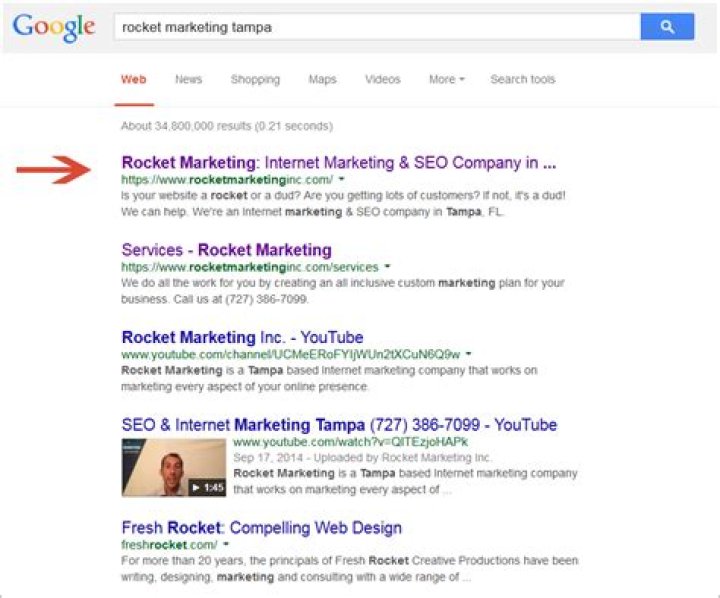
In today’s digital landscape, having a strong online presence is paramount for businesses and individuals alike. One of the most critical aspects of this presence is understanding where your website ranks on Google’s search results. Knowing how to find website position in Google search can significantly impact your marketing strategies and overall visibility. It’s a pivotal element that can lead to increased traffic, higher conversion rates, and ultimately, business growth.
With millions of websites competing for attention, the task of discovering your specific position in Google's search results may seem daunting. However, with the right tools and techniques, it can be a straightforward process. By tracking your ranking, you’ll not only understand your current status but also identify areas for improvement. This knowledge empowers you to optimize your content and better target your audience.
As Google’s algorithms evolve, so too must your approach to maintaining a favorable position in search results. Understanding how to find website position in Google search is not just about knowing where you stand; it’s also about adapting your strategies to stay ahead of the competition. In this article, we will explore various methods to check your website’s ranking, the significance of these rankings, and how to leverage this information for your advantage.
What Tools Can Help You Find Website Position in Google Search?
There are numerous tools available that can assist you in tracking your website’s position in Google search results. Some of the most popular include:
- Google Search Console: A free tool provided by Google that offers insights into your website's performance in search results.
- SEMrush: A comprehensive SEO tool that analyzes your position and compares it with competitors.
- Ahrefs: Known for its robust backlink analysis, Ahrefs also provides keyword ranking features.
- Moz: Offers a suite of tools that can help you track your search engine rankings over time.
Why is Knowing Your Website Position in Google Search Important?
Understanding your website’s position in search results holds significant importance for various reasons:
- Traffic Generation: The higher your website ranks, the more organic traffic you are likely to receive.
- Brand Credibility: Users tend to trust websites that appear on the first page of search results.
- Competitive Analysis: Knowing your position helps you assess how you stack up against competitors.
- Strategic Planning: Insights gained from position tracking can inform your content and marketing strategies.
How Can You Manually Check Your Website Position in Google Search?
While automated tools are convenient, you can also manually check your website position by:
- Opening an incognito window in your browser to avoid personalized search results.
- Typing in your target keywords and searching.
- Scrolling through the results to find your website’s position.
What Factors Influence Your Website Position in Google Search?
Several factors can impact your website’s ranking in Google search results:
- Content Quality: High-quality, relevant content is essential for ranking well.
- Keyword Optimization: Properly optimizing your content with relevant keywords is crucial.
- Backlinks: Having authoritative sites link to your content boosts credibility and ranking.
- User Experience: A well-designed website that offers a great user experience can positively impact your ranking.
How Often Should You Check Your Website Position in Google Search?
Regularly monitoring your website position is vital. Here are some guidelines:
- Check weekly or bi-weekly for significant changes.
- Monitor monthly for smaller adjustments and trends.
- Review quarterly to assess overall performance and strategy effectiveness.
Can Social Media Impact Your Website Position in Google Search?
Yes, social media can have an indirect impact on your website’s position in search results. Engaging with your audience on social platforms can lead to:
- Increased traffic to your website.
- Greater brand awareness and visibility.
- More backlinks from shares and mentions.
What Should You Do If Your Website Position Drops?
If you notice a drop in your website position, consider taking the following steps:
- Analyze recent changes to your website or content.
- Review your keyword strategy to ensure it aligns with current trends.
- Check for any technical issues that may hinder user experience.
- Investigate competitor strategies to identify potential threats.
In conclusion, understanding how to find website position in Google search is essential for anyone looking to improve their online visibility. By leveraging tools, monitoring factors that influence your ranking, and adjusting your strategies accordingly, you can enhance your website’s performance in search results. Remember, staying informed and proactive is key to maintaining a successful online presence.
Unveiling The Mystery Behind The Sophierain Leak
Exploring The Allure Of Chloedifatta Nudes: A Deep Dive
Exploring The Legacy Of The Gould Actor: A Journey Through Talent And Versatility
