Exploring The Truth Behind Hisashi Ouchi: Real Photos And Stories In Tagalog
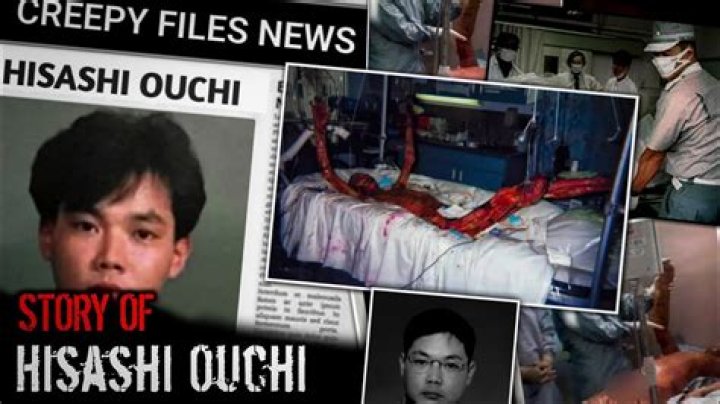
Hisashi Ouchi's story is one of tragedy, resilience, and a haunting testament to the consequences of nuclear accidents. The incident that led to Ouchi's catastrophic injuries is etched in the memories of many, especially in Japan, where the horrors of nuclear exposure are not just a part of history but a living narrative. This article aims to delve into the real photos of Hisashi Ouchi and the impact of his story, all while providing insights in Tagalog for Filipino readers who wish to understand this poignant tale.
In the aftermath of the Tokaimura nuclear accident in 1999, Hisashi Ouchi became a symbol of the dangers associated with nuclear power. The severity of his injuries shocked the world and sparked discussions about nuclear safety regulations. Hisashi's experience serves as a critical reminder of the importance of safety protocols in high-risk industries. As we navigate through the details of his life and the impact of his suffering, we will also take a closer look at the real photos that capture his journey, shedding light on the human side of this tragedy.
This article will explore various facets of Hisashi Ouchi's life, including his biography, the harrowing details of his accident, and the legacy he left behind. Additionally, we will discuss the availability of real photos depicting Hisashi Ouchi, aiming to provide a comprehensive view of this significant event in history. By examining these aspects, we hope to foster a deeper understanding of the implications of nuclear energy and the human stories intertwined with it, particularly for those who communicate in Tagalog.
Who Was Hisashi Ouchi?
Hisashi Ouchi was a Japanese nuclear plant worker who became infamous due to the serious injuries he sustained during a nuclear accident. Born in the 1960s, Ouchi was known for his dedication to his work. His life took a tragic turn on September 30, 1999, when a criticality accident occurred at the Tokaimura nuclear facility. This incident resulted in Ouchi and two of his colleagues being exposed to lethal doses of radiation, leading to a series of medical emergencies that would ultimately change their lives forever.
Biography of Hisashi Ouchi
| Personal Detail | Information |
|---|---|
| Full Name | Hisashi Ouchi |
| Date of Birth | Unknown |
| Occupation | Nuclear Plant Worker |
| Incident Date | September 30, 1999 |
| Location | Tokaimura, Japan |
| Injury Type | Severe Radiation Burns |
| Date of Death | December 21, 1999 |
What Happened During the Tokaimura Nuclear Accident?
The Tokaimura nuclear accident was a catastrophic event that highlighted the dangers of nuclear energy. Workers at the plant were attempting to produce fuel for a reactor when a criticality accident occurred, releasing a significant amount of radiation. Ouchi, along with his colleagues, was exposed to extremely high levels of radiation, leading to severe health complications.
How Did Hisashi Ouchi Suffer from Radiation Exposure?
Ouchi's exposure to radiation resulted in a range of debilitating symptoms. He suffered from acute radiation syndrome, which included nausea, hair loss, and severe burns. His condition deteriorated rapidly, and he was hospitalized for several months as medical staff attempted to manage his injuries. The photos taken during this time reveal a heartbreaking transformation, showing the physical toll that radiation exposure can have on a human body.
Are There Real Photos of Hisashi Ouchi Available?
Yes, there are real photos of Hisashi Ouchi that document his journey through the trauma of his injuries. These images serve as a stark reminder of the dangers associated with nuclear energy and the human cost of industrial accidents. While some photos are graphic, they provide an important visual context to the narrative of Ouchi's suffering and the broader implications of the Tokaimura incident.
Where Can You Find Hisashi Ouchi Real Photos in Tagalog?
For those interested in viewing real photos of Hisashi Ouchi, several online resources and documentaries feature his story. Filipino audiences can search for content in Tagalog that covers the Tokaimura incident and includes visual documentation. Social media platforms and video-sharing websites often host discussions and presentations about Ouchi, where images are shared along with personal accounts and analyses of the event.
What Legacy Did Hisashi Ouchi Leave Behind?
Hisashi Ouchi's story continues to resonate, especially in discussions surrounding nuclear energy safety. His tragic fate has led to increased scrutiny of safety protocols in nuclear facilities worldwide. Ouchi's legacy is a reminder of the human cost of technological advancements and the importance of prioritizing safety in industries where the stakes are incredibly high.
How Can We Honor Hisashi Ouchi's Memory?
Honoring Hisashi Ouchi's memory involves advocating for better safety standards in nuclear energy production. Educating ourselves and others about the risks associated with nuclear energy and the need for stringent regulations can help prevent similar tragedies in the future. Sharing his story, in both English and Tagalog, ensures that his legacy lives on and that we remain vigilant in the pursuit of safety and accountability.
Conclusion: Hisashi Ouchi's Story Matters
Hisashi Ouchi's life and the events surrounding the Tokaimura nuclear accident serve as a crucial reminder of the potential dangers of nuclear energy. The real photos that document his struggle are not just images; they tell a story of resilience, suffering, and the urgent need for safety in high-risk industries. By understanding Ouchi's legacy and sharing his story, we can foster a greater awareness of the importance of safety measures in our pursuit of energy solutions. As we reflect on his journey, let us commit to ensuring that such tragedies do not happen again, honoring Hisashi Ouchi's memory through advocacy and education.
Unveiling The Future: Aubreigh Wyatt 2024
Tory Kittles Net Worth: What Is His Financial Standing?
Unraveling The Mystery: Who Is Anthony Kiedis' Girlfriend?
