Exploring The Frozen Paths: The Fascinating World Of Ice Roads
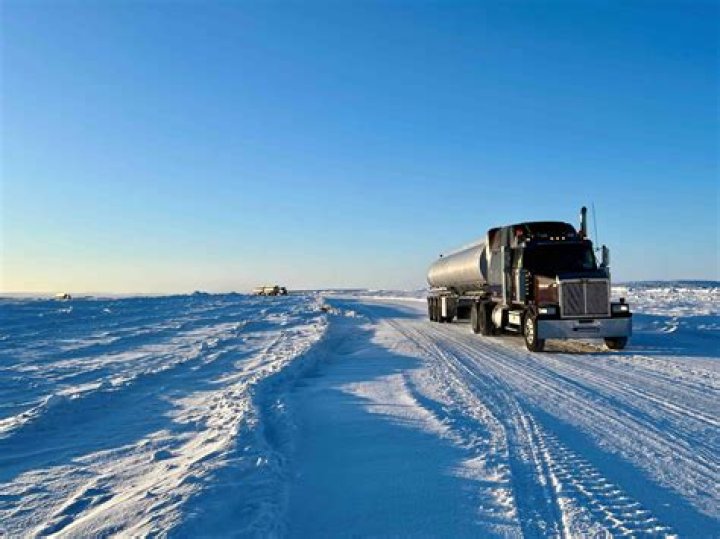
Every winter, certain regions around the globe transform into enchanting landscapes where frozen rivers and lakes become the lifelines for communities. These icy highways, known as ice roads, offer a unique means of transport that connects remote areas, often inaccessible by conventional roadways. For those living in the northern territories, these seasonal routes are not merely a means of getting from one point to another; they are a way of life, a necessity during the harsh winter months when the terrain is blanketed in snow and ice.
As temperatures plummet, the ice road takes shape, providing essential access for the transport of goods, services, and even emergency supplies. The construction and maintenance of these ice roads are critical, requiring careful monitoring of ice thickness and quality. Communities rely heavily on these frozen paths to ensure they remain connected to the outside world, particularly in regions where traditional roads may be impractical or non-existent.
With the rise of climate change and fluctuating weather patterns, the future of ice roads is increasingly uncertain. Will these crucial lifelines continue to be viable, or will they eventually fade into memory? As we dive deeper into the world of ice roads, we will explore their significance, challenges, and the vital role they play in the lives of those who depend on them.
What Are Ice Roads and How Are They Made?
Ice roads, as the name suggests, are roadways formed on frozen bodies of water. These paths are typically created during the winter months when temperatures drop sufficiently to freeze lakes and rivers solidly. The process of making an ice road involves several critical steps:
- Site Selection: Engineers and local authorities assess the water body to determine if it can support the weight of vehicles.
- Ice Thickness Monitoring: Regular measurements are taken to ensure that the ice is thick enough (usually a minimum of 12 inches) to handle the expected loads.
- Surface Preparation: The ice surface is often cleared of snow and may be flooded to create a smoother and stronger surface.
- Signage and Marking: Clear markers are placed along the route to guide drivers and ensure safety.
Why Are Ice Roads Important?
The importance of ice roads extends far beyond mere transportation. Here are a few reasons why they are essential:
- Economic Access: Ice roads allow for the transport of goods, boosting local economies in remote regions.
- Community Connection: They connect isolated communities, ensuring equal access to essential services.
- Emergency Response: In times of crisis, ice roads can facilitate emergency services and supplies where no other routes exist.
- Tradition and Culture: For many Indigenous communities, ice roads are part of their cultural practices and seasonal activities.
What Challenges Do Ice Roads Face?
While ice roads serve crucial purposes, they are not without their challenges. Some of the most significant issues include:
- Climate Change: Warmer winters can lead to thinner ice, making roads less reliable.
- Maintenance Costs: Regular monitoring and maintenance require financial resources that may not always be available.
- Safety Hazards: Unpredictable weather conditions can create dangerous driving situations.
- Environmental Concerns: The impact on local ecosystems must be managed carefully.
How Do Ice Roads Impact Local Communities?
The impact of ice roads on local communities is profound. They play a vital role in maintaining the economic and social fabric of these areas. For instance, communities that rely on ice roads often witness:
- Increased Trade: The ability to transport goods fosters trade relationships and provides access to essential products.
- Job Creation: Ice road construction and maintenance create jobs for local residents.
- Social Interaction: These roads often serve as gathering points, fostering community spirit and connection.
What Are Some Famous Ice Roads Around the World?
Several ice roads have gained notoriety for their unique characteristics and the challenges they present. Some of the most famous include:
- The Inuvik-Tuktoyaktuk Highway: Located in Canada, this road offers access to the Arctic and is known for its stunning views.
- The Ice Road Truckers: This popular reality TV show highlights the challenges faced by drivers on ice roads in Alaska and Canada.
- The Dempster Highway: This road connects the Yukon and Northwest Territories and features ice crossings.
What Is the Future of Ice Roads?
The future of ice roads is uncertain, largely due to the ongoing effects of climate change. As temperatures rise, the sustainability of these paths comes into question. Some potential future developments may include:
- Innovative Engineering: New technologies may be developed to create safer and more reliable frozen routes.
- Alternative Transportation: As ice roads become less viable, alternative transport solutions may need to be explored.
- Policy Changes: Governments may need to adapt their infrastructure strategies to address the changing climate.
Conclusion: The Legacy of Ice Roads
Ice roads are more than just frozen routes; they represent lifelines for many communities, preserving traditions and providing essential services. While they face significant challenges, their cultural and economic importance cannot be overstated. As we look to the future, it is crucial to consider how we can sustain these vital connections in the face of an ever-changing environment.
Unveiling Kaitlin Collins: A Journey Through Gender Identity
Kiefer Sutherland's Journey As A Father: The Story Of Kiefer Sutherland Kids
Unveiling The Fortune: Michael Caine's Net Worth And Legacy
