Exploring The Art And Culture Of African Cornrow Hairstyles
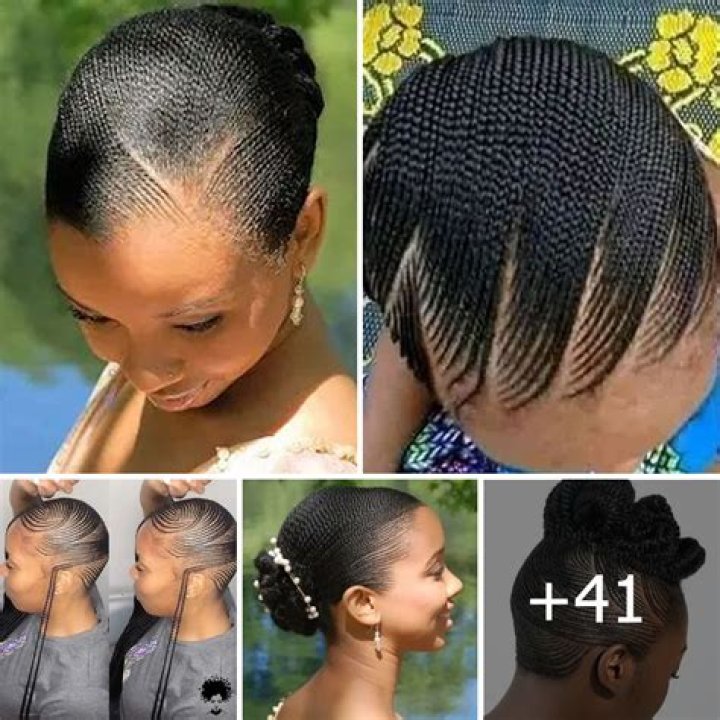
African cornrow hairstyles have a rich history and cultural significance that extends beyond mere aesthetics. These intricate braids, often woven close to the scalp, serve as a form of self-expression and identity for many individuals, particularly within African and African diasporic communities. From traditional ceremonies to modern urban fashion, cornrows have transcended time and space, adapting to contemporary styles while preserving their historical roots. The technique of cornrowing dates back thousands of years, with evidence of such hairstyles found in ancient African artifacts and texts. They have played a crucial role in the social and cultural fabric of many African societies, often indicating social status, age, and even tribal affiliation.
In recent years, the popularity of African cornrow hairstyles has surged globally, captivating diverse audiences and inspiring a new generation of hairstylists and enthusiasts. Celebrities, influencers, and everyday individuals alike are embracing these styles, showcasing their versatility and beauty. However, alongside this growing appreciation, it is essential to recognize the cultural implications and respect the heritage that these hairstyles represent.
As we delve deeper into the world of African cornrows, we will explore their origins, various styles, and the significance they hold in modern times. We will also address some of the common questions surrounding the maintenance and care of cornrow hairstyles, providing valuable insights for those interested in embracing this vibrant aspect of African culture.
What Are the Origins of African Cornrow Hairstyles?
The origins of African cornrow hairstyles can be traced back to Africa, with historical evidence dating back over 5,000 years. Cornrows were not merely hairstyles but were often intertwined with cultural identity, social status, and community belonging. In various tribes, specific styles of cornrows indicated a person's age, marital status, and even their profession. For instance, the Himba people of Namibia are known for their distinctive cornrow styles, which signify their heritage and social roles.
How Have African Cornrow Styles Evolved Over Time?
Over the centuries, African cornrow styles have evolved significantly, adapting to the influences of different cultures and contemporary fashion trends. Traditionally, cornrows were adorned with beads, shells, and other decorative elements, reflecting the wearer's personal style and cultural background. Today, cornrows can be seen in various forms, from simple braids to intricate designs that incorporate vibrant colors and patterns. The rise of social media has also played a pivotal role in showcasing these styles, leading to a resurgence of interest in traditional and modern cornrow techniques.
What Are the Different Types of African Cornrow Hairstyles?
African cornrow hairstyles come in an array of styles and designs, each with its distinct flair. Some popular types include:
- Classic Cornrows: Simple, straight braids that lay flat against the scalp.
- Feed-In Cornrows: A technique that involves adding hair extensions for a fuller look.
- Cornrow Updo: An elegant style that gathers cornrows into a bun or ponytail.
- Box Braids with Cornrows: A combination of cornrows at the front and box braids at the back.
- Curved Cornrows: A design that features curved or zigzag patterns for added visual interest.
Who Are the Influential Figures in the World of African Cornrows?
Several influential figures have popularized African cornrow hairstyles in the mainstream, inspiring countless individuals to embrace their cultural heritage. Celebrities such as Janet Jackson, Beyoncé, and Solange Knowles have sported cornrows, showcasing their beauty and versatility to a global audience.
What Is the Cultural Significance of Cornrow Hairstyles?
Cornrow hairstyles carry deep cultural significance within African communities. They are often seen as a form of art, representing a connection to ancestry and identity. In many cultures, the act of braiding hair is a communal activity, strengthening bonds between family and friends. Additionally, cornrows can symbolize resistance and empowerment, particularly in the face of societal pressures to conform to Western beauty standards.
How Can You Maintain and Care for Cornrow Hairstyles?
Maintaining cornrow hairstyles is essential for keeping them looking fresh and preventing hair damage. Here are some tips for proper care:
- Keep your scalp clean by washing with a gentle shampoo.
- Moisturize your scalp regularly to prevent dryness.
- Avoid excessive manipulation of the braids to reduce tension.
- Protect your hair at night by wearing a silk or satin scarf.
- Schedule regular touch-ups or re-braiding sessions to maintain the style.
What Are the Common Misconceptions About African Cornrows?
Despite their popularity, there are several misconceptions about African cornrow hairstyles. Some people erroneously believe that cornrows are only suitable for individuals with natural hair or that they are solely a trend. In reality, cornrows can be adapted for various hair types and textures, and they have historical roots that extend far beyond mere fashion. It is crucial to approach cornrow hairstyles with respect and understanding of their cultural significance.
Conclusion: Celebrating the Beauty of African Cornrows
African cornrow hairstyles are a powerful expression of culture, identity, and creativity. As they continue to evolve and gain recognition worldwide, it is essential to honor their rich history and cultural significance. Whether worn for traditional ceremonies, casual outings, or special events, cornrows remain a beautiful testament to the artistry and resilience of African culture. Embracing this hairstyle is not just about aesthetics; it is about celebrating heritage, individuality, and the profound connections we share through our hair.
Aurora Teagarden: A Game Of Cat And Mouse Cast – Unraveling The Mystery
Exploring The Life Of Trey Gowdy's Wife
Discovering Antonia Lofaso's Daughter: Age And More
