Embracing Freedom: The 70s Braless Revolution
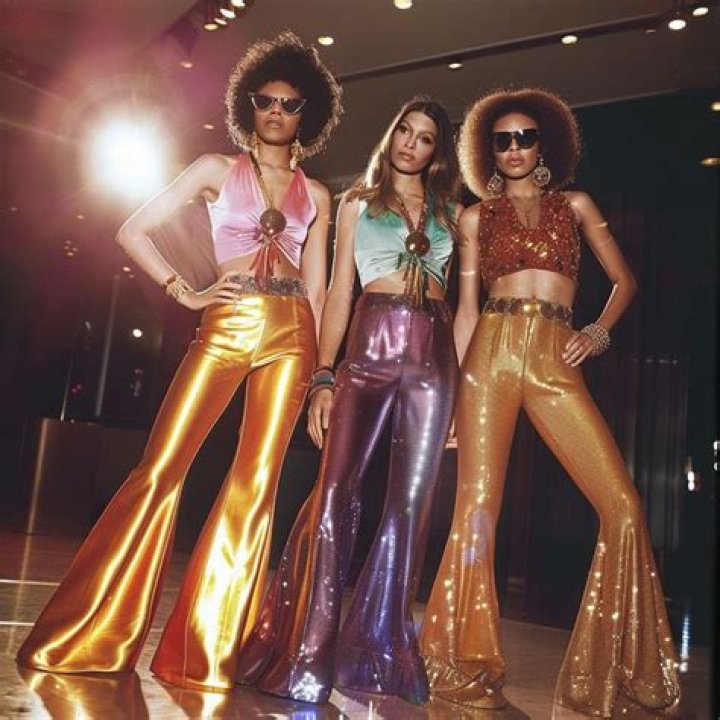
The 1970s were a time of liberation and self-expression, and one of the most notable trends that emerged during this vibrant decade was the braless movement. This cultural shift was not just about fashion choices; it symbolized a broader rejection of societal norms and expectations surrounding femininity and body image. Women began to embrace their natural bodies, leading to a significant change in how they viewed themselves and their place in the world.
As the feminist movement gained momentum, women increasingly sought to challenge traditional views on clothing and the constraints often placed on them. The concept of going braless was not merely a fashion statement but rather an assertion of independence and a celebration of the female form. This movement encouraged women to feel comfortable in their skin and to reject the idea that they needed to conform to societal expectations regarding their appearance.
In this article, we will dive deeper into the braless trend of the 70s, exploring its cultural significance, the key figures who championed this movement, and the impact it had on fashion and society as a whole. Join us as we unravel the liberating journey of the 70s braless phenomenon, celebrating the women who dared to break free from the constraints of their time.
What was the cultural significance of the 70s braless movement?
The braless movement of the 70s was more than just a fashion trend; it represented a cultural revolution. Women were increasingly dissatisfied with the limitations imposed upon them by traditional gender roles and societal expectations. The liberation of the body became a significant part of the feminist movement, encouraging women to reclaim autonomy over their own bodies. The decision to go braless was a powerful statement that challenged the status quo.
Who were the key figures in the 70s braless movement?
Several iconic figures played a pivotal role in popularizing the braless trend during the 1970s. Celebrities, activists, and models embraced this movement, using their platforms to promote body positivity and self-acceptance. Some notable figures include:
- Jane Fonda: An outspoken advocate for women's rights and a fitness icon, Fonda's bold choices inspired many.
- Joni Mitchell: The singer-songwriter's free-spirited nature resonated with the ethos of the decade.
- Gloria Steinem: As a leading feminist voice, Steinem advocated for women's liberation in all aspects of life.
- Farrah Fawcett: The "Charlie’s Angels" star became an emblem of beauty and empowerment.
How did the braless trend influence fashion in the 70s?
The braless trend significantly influenced fashion choices in the 1970s. With the rise of the feminist movement, designers began to create styles that celebrated freedom and ease. Women opted for flowing dresses, loose-fitting tops, and bohemian styles that allowed them to move comfortably without the constraints of traditional undergarments. The fashion industry responded with a variety of designs that embraced this new sense of liberation.
What impact did the 70s braless movement have on body image?
The 70s braless movement played a crucial role in reshaping perceptions of body image. By promoting natural beauty and self-acceptance, it encouraged women to embrace their bodies as they were. This shift in mindset helped to challenge the unrealistic beauty standards that had dominated previous decades. Women began to feel empowered to make choices based on their own comfort and preferences rather than societal pressures.
How did the media portray the 70s braless trend?
The media's portrayal of the braless trend was a mixture of celebration and criticism. While some publications embraced the movement, highlighting the beauty and confidence of women who chose to go braless, others were more critical, viewing it as a rebellion against accepted norms. Magazines and television shows began to feature women who embodied this new ethos, contributing to the normalization of the trend.
What were some challenges faced by women who embraced the braless movement?
While the braless movement was empowering, women who chose to embrace it faced challenges. Societal backlash and criticism were common, with some facing judgment for their choices. Additionally, many women grappled with their own insecurities and fears about body image. Despite these challenges, the movement encouraged women to advocate for their right to make choices about their bodies and to stand firm in their beliefs.
What legacy did the 70s braless movement leave behind?
The legacy of the 70s braless movement continues to influence contemporary discussions around body positivity and women's rights. It laid the groundwork for future generations to embrace their bodies and challenge societal norms. The movement's emphasis on self-acceptance and liberation resonates with today's ongoing conversations about body image, self-love, and empowerment.
Conclusion: Celebrating the 70s braless movement
The braless movement of the 1970s was a significant cultural phenomenon that represented a larger struggle for women's rights and self-expression. By embracing their bodies and challenging societal expectations, women of that era paved the way for future generations to celebrate their individuality and autonomy. As we reflect on this pivotal moment in history, we honor the brave women who dared to go braless, reminding us of the importance of self-acceptance and liberation.
Delightfully Delicious: Trader Joe's Sweet Potato Pasta Salad
Elevate Your Style Game With Hem Wide Leg Pants
Unveiling The Enigma: Lucia Malavaze
