Discovering The Unique World Of Tree Rat Pepper
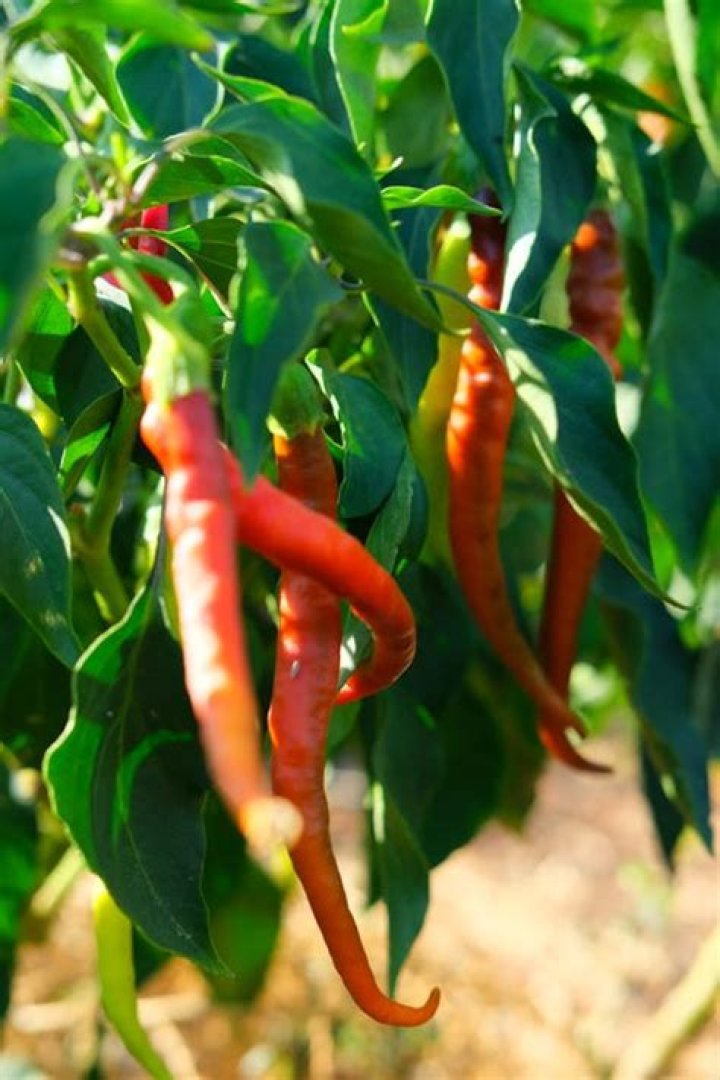
Tree rat pepper may sound like an unusual term, but it encompasses a remarkable blend of nature's wonders and culinary experiences. This intriguing plant, known for its unique characteristics, has piqued the interest of many botanists, chefs, and curious food enthusiasts alike. With roots tracing back to the vibrant ecosystems of Central and South America, tree rat pepper boasts a rich history that intertwines culture, cuisine, and biodiversity. In this article, we will delve deeper into the fascinating world of tree rat pepper, exploring its origins, uses, and the impact it has on our lives.
As we journey through the diverse landscapes where tree rat pepper thrives, we will uncover the ecological significance of this plant, its culinary applications, and the various ways it contributes to local cultures. From its unique flavor profile to its medicinal properties, tree rat pepper is much more than just a spice; it is a testament to the incredible diversity found in nature. Stay tuned as we unravel the layers of this captivating plant and discover why it deserves a place in your garden and kitchen.
In addition to its culinary allure, tree rat pepper also holds secrets about the ecosystems it inhabits. By understanding its role within the environment, we can appreciate the balance of nature and the importance of preserving biodiversity. So, let’s embark on this journey to explore the remarkable tree rat pepper and all that it has to offer.
What is Tree Rat Pepper?
Tree rat pepper, scientifically known as *Piper auritum*, is a perennial plant belonging to the Piperaceae family. This plant is native to the tropical regions of Central and South America and is commonly found in areas with rich, fertile soil and ample moisture. The name "tree rat pepper" is derived from its association with the tree rat, a rodent that inhabits the same regions. The tree rat pepper plant is characterized by its large, heart-shaped leaves, which can reach up to a foot in length, and its small, greenish-yellow flowers that grow in clusters.
Where Does Tree Rat Pepper Grow?
Tree rat pepper thrives in tropical and subtropical climates, particularly in regions such as:
- Central America
- Southern Mexico
- Colombia
- Brazil
These areas provide the ideal conditions for tree rat pepper to flourish, including warm temperatures and high humidity. It can often be found growing in forests, near rivers, and in areas with plenty of shade, making it an essential component of its native ecosystem.
What Are the Culinary Uses of Tree Rat Pepper?
The leaves of the tree rat pepper plant are the primary part used in cooking. They offer a distinct flavor reminiscent of black pepper but with a milder, more aromatic quality. In many Central American cuisines, tree rat pepper leaves are used in a variety of dishes, such as:
- Tacos and tamales
- Soups and stews
- Marinades and sauces
Additionally, the leaves can be used as a wrap for meats and vegetables, imparting their unique flavor to the dish. Tree rat pepper is also known for its medicinal properties and is often used in traditional remedies for digestive issues and respiratory ailments.
What Are the Health Benefits of Tree Rat Pepper?
Tree rat pepper is not just a flavorful addition to meals; it also boasts a range of health benefits. Some of these include:
- Antioxidant properties that help combat free radicals
- Anti-inflammatory effects that may reduce pain and swelling
- Digestive aid that promotes healthy gut function
Incorporating tree rat pepper into your diet may contribute to overall health and well-being while providing a delicious twist to your culinary creations.
How is Tree Rat Pepper Cultivated?
Growing tree rat pepper requires specific conditions to ensure a healthy and thriving plant. Here are some essential tips for cultivating tree rat pepper:
- Choose a location with partial shade and well-draining soil.
- Water regularly to maintain moisture, especially in dry periods.
- Fertilize with organic matter to encourage growth.
With the right care, tree rat pepper can flourish in your garden, providing a continuous supply of fresh leaves for your culinary adventures.
Can Tree Rat Pepper Be Used in Traditional Medicine?
Yes, tree rat pepper has been used in traditional medicine for centuries. Indigenous cultures have relied on its healing properties for various ailments, including:
- Respiratory issues such as colds and coughs
- Digestive problems like indigestion and bloating
- Infections due to its antimicrobial properties
Consulting with a healthcare professional before using tree rat pepper for medicinal purposes is essential, as it may interact with other medications or conditions.
What is the Future of Tree Rat Pepper?
As the interest in sustainable agriculture and biodiversity increases, tree rat pepper is gaining recognition for its potential contributions to culinary art and traditional medicine. Efforts to cultivate and preserve this unique plant are underway, ensuring that future generations can enjoy its benefits. By advocating for the conservation of tree rat pepper and integrating it into modern cuisine, we can help protect the rich cultural heritage associated with this remarkable plant.
Conclusion: Why Should You Explore Tree Rat Pepper?
Tree rat pepper is a treasure trove of flavor, health benefits, and cultural significance. By exploring this unique plant, you not only expand your culinary repertoire but also contribute to the preservation of biodiversity and traditional practices. Whether you're a seasoned chef or a curious home cook, consider incorporating tree rat pepper into your dishes and experience the delightful flavors and benefits it has to offer.
The Mysterious World Of Thethreedust
Unlocking The Secrets Of The Barometer In Your Phone
TikTok My Eyes Only: A Deep Dive Into The Latest Trend
